
 Menu
MenuWhy Your Dog’s Paws Burn on Hot Pavement in Langhorne & How to Protect Them

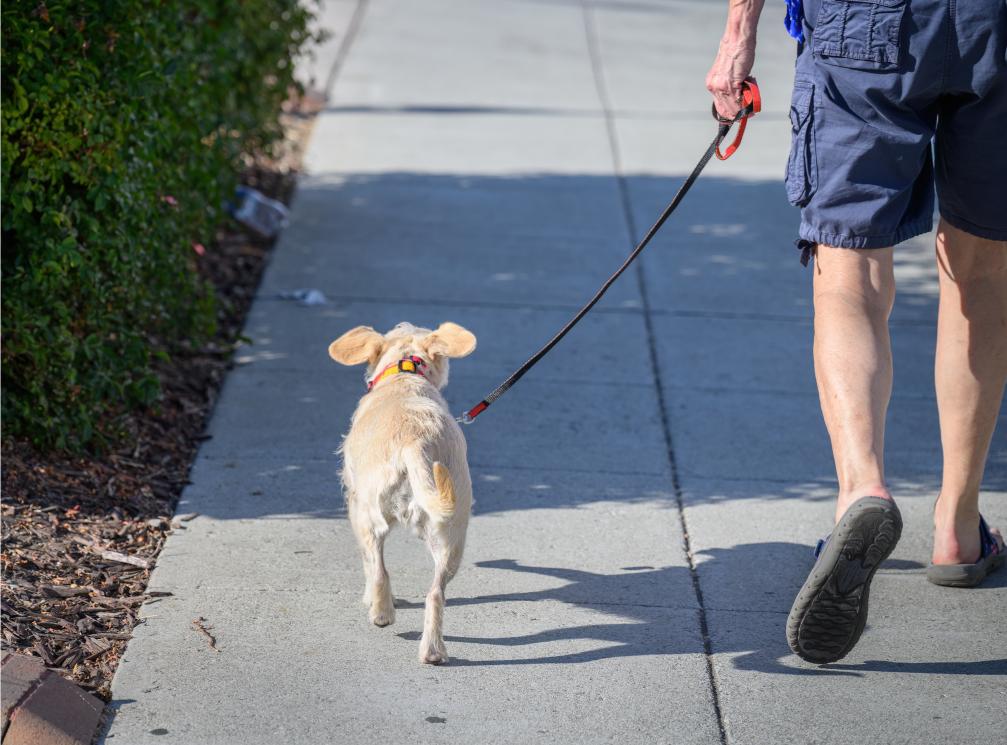
Summer is meant for backyard fun, neighborhood walks, and making memories with your pets. The last thing any pet owner wants is a painful injury ruining the season. One of the most common warm-weather injuries veterinarians see is burned paws from hot pavement. Even on days that don’t feel extremely hot to us, sidewalks, asphalt, sand, and concrete can reach dangerous temperatures quickly.
Knowing how to prevent hot pavement paw burns in dogs can help keep your pet safe, comfortable, and active all summer long.
Protect Your Four-Legged Friend
Many pet owners don’t realize there’s a major difference between air temperature and surface temperature. While the outside temperature may seem manageable, pavement can become dangerously hot throughout the day, especially during sunny afternoons.
Concrete, asphalt, playground surfaces, and sand absorb heat quickly and hold onto it for hours. That means your dog’s paw pads are directly exposed every time they walk outside. Since dogs don’t wear shoes naturally, their paws can burn faster than many people expect.
Being mindful of when and where you walk your dog is one of the easiest ways to prevent summer paw injuries. During the hottest parts of the day, it’s best to limit outdoor activity and stick to cooler, shaded areas whenever possible.
Signs to Watch For
If you think your dog may have burned their paws, there are several symptoms to watch for. Paw burns can range from mild irritation to severe tissue damage that requires veterinary care.
Common signs of burned paws include:
- Limping
- Reluctance to walk
- Excessive licking or chewing of the paws
- Redness or inflammation
- Discoloration of the paw pads
- Blisters
- Cracked or peeling skin
- Crying, whimpering, or signs of pain
Some pets may also suddenly stop during a walk or try to lift their paws off the ground repeatedly because the surface feels too hot.
If you notice any of these symptoms, move your pet to a cool surface immediately and contact your veterinarian for guidance. Quick treatment can help reduce pain, prevent infection, and support faster healing.
Summer Safety Tips for Paw Protection
The good news is that there are several simple ways to protect your dog’s paws during the summer months.
One of the best tips is to schedule walks earlier in the morning or later in the evening when outdoor surfaces are cooler. Midday heat is often the most dangerous time for pets.
Before heading outside, always test the pavement first. A simple rule many pet owners follow is the “7-second test.” Place the back of your hand on the concrete for seven seconds. If it’s too hot for your hand, it’s too hot for your dog’s paws.
Whenever possible, choose grassy or shaded walking paths instead of asphalt or concrete sidewalks. Shade can make a major difference in surface temperatures.
Products designed for dog paw pad protection can also help reduce the risk of injury. Protective booties create a barrier between your dog’s paws and hot surfaces, while paw wax may provide additional protection during walks.
It’s also important to avoid hot surfaces like:
- Asphalt parking lots
- Sand at beaches or playgrounds
- Metal surfaces
- Artificial turf
- Concrete patios and sidewalks in direct sunlight
After every walk, take a few moments to check your pet’s paws for redness, irritation, cuts, or tenderness. Catching small problems early can help prevent more serious injuries later.
Have a Fabulous Summer
Summer should be fun for both you and your pets. Taking a few extra precautions now can help prevent painful paw injuries and keep your dog happy and healthy all season long.
If you suspect your dog’s paws have been burned, don’t ignore the symptoms. Mild irritation can worsen quickly, and severe burns often require professional wound care and medical treatment.
Contact Flowers Mill Veterinary Hospital for Exceptional Veterinary Care
If your pet is showing signs of paw pad burns or other summer paw injuries, the team at Flowers Mill Veterinary Hospital is here to help. Schedule an appointment today to make sure your furry family member stays safe, comfortable, and ready for all your summer adventures.