
 Menu
MenuFall’s Second Tick Peak: Why October Tick Checks Matter for Bucks County Dogs

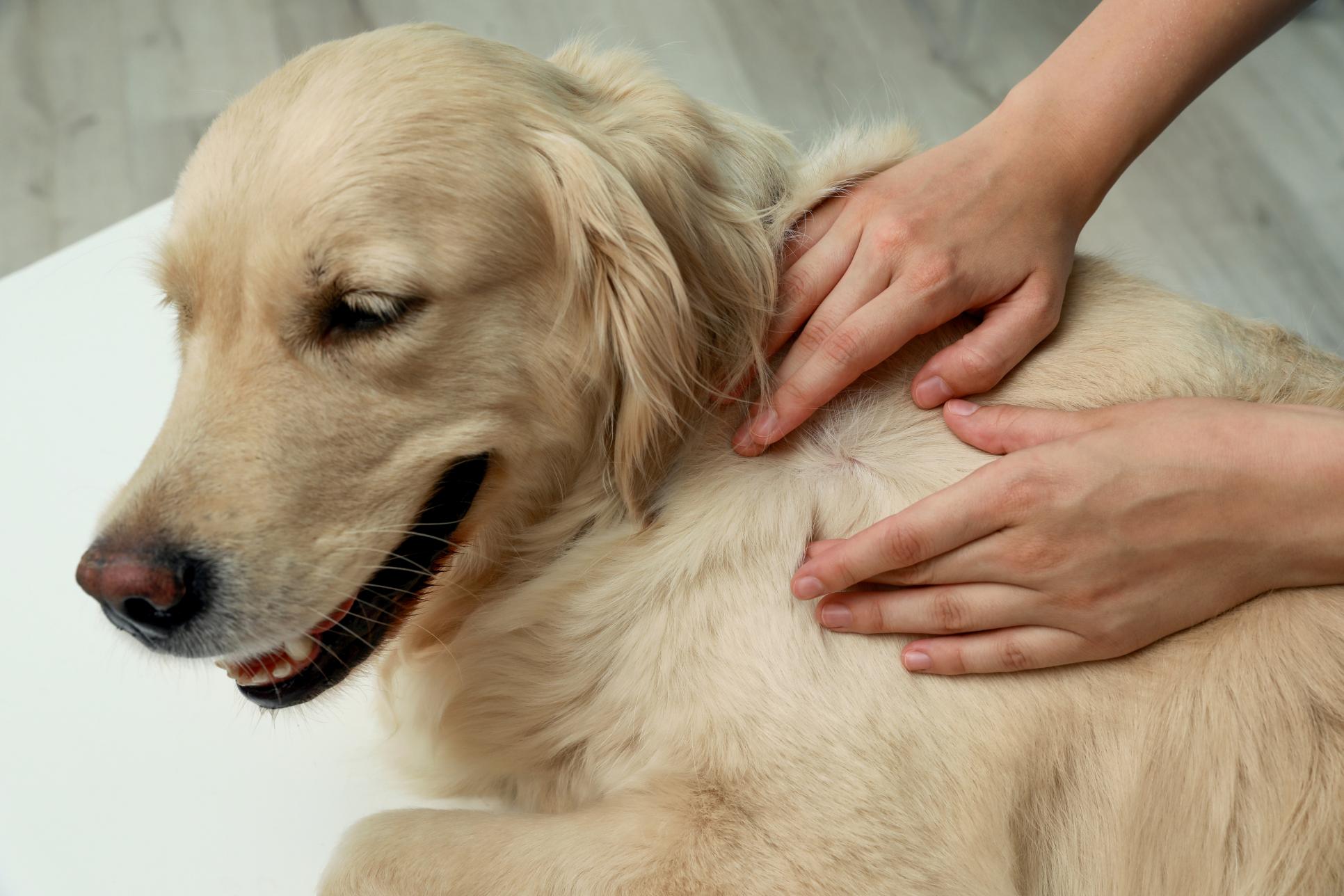
When cooler October weather arrives, it’s tempting to think tick season is winding down. In Pennsylvania, however, ticks become especially active again in October and November. That makes fall prevention and careful tick checks important for Bucks County pets. At Flowers Mill Veterinary Hospital in Langhorne, PA, we want dog owners to understand this second seasonal peak and know how to help keep their companions protected.
Why Tick Activity Rises Again in the Fall
Pennsylvania experiences a noticeable increase in tick activity in the fall as adult blacklegged ticks, also called deer ticks, emerge and search for hosts. These ticks can transmit Lyme disease and other illnesses to dogs.
Ticks don’t disappear after the first frost, either. Blacklegged ticks may become active whenever temperatures rise above freezing, even during winter. Dogs can encounter them in wooded areas, tall grass, leaf litter, neighborhood parks, and their own backyards.
October’s comfortable temperatures may also mean longer walks, hikes, and outdoor play sessions. While your dog enjoys that crisp fall air, ticks may be waiting for an opportunity to climb aboard.
Tick Season: How to Protect Your Dog During Fall in Pennsylvania
Year-round tick prevention is one of the most effective ways to protect your dog. Skipping doses once summer ends can leave a gap in coverage just as adult ticks become more active.
Your veterinarian can recommend a preventive product based on your dog’s age, health, lifestyle, and exposure risk. In addition to maintaining consistent protection, you can reduce your dog’s risk by:
- Keeping grass trimmed and clearing fallen leaves
- Discouraging your dog from wandering through tall grass or dense brush
- Checking your dog after walks, hikes, and backyard play
- Washing bedding regularly
- Examining outdoor gear, blankets, and clothing for hitchhiking ticks
No preventive product eliminates every possibility of a tick attaching. Combining veterinarian-recommended prevention with routine checks offers your dog a stronger layer of protection.
How to Check Your Dog for Ticks After Outdoor Time
To thoroughly check your dog for ticks, start by slowly running your fingers over your dog’s body. Feel for small bumps, particularly if your dog has thick, long, or dark fur.
Ticks often attach in warm, protected areas. Pay special attention to:
- In and around the ears
- Around the eyelids and muzzle
- Under the collar or harness
- Beneath the front legs
- Between the toes
- Between the back legs
- Around the tail
If you find an attached tick, use fine-tipped tweezers or a tick-removal tool to grasp it close to your dog’s skin. Pull upward with steady pressure, avoiding twisting or crushing the tick. Don’t apply petroleum jelly or heat as these methods may delay safe removal.
Contact your veterinarian if you can’t remove the entire tick, the bite area becomes irritated, or you’re uncertain what to do next.
Watch for Signs of Tickborne Illness
Dogs infected with Lyme disease don’t always develop immediate or obvious symptoms. When signs do appear, they may include lethargy, fever, reduced appetite, swollen lymph nodes, joint discomfort, or lameness that seems to shift between legs. Other tickborne illnesses can cause similar symptoms.
Call your veterinarian if your dog seems unwell following possible tick exposure. Our veterinarians and staff can evaluate your dog and determine whether testing or treatment may be appropriate. If you need a Lyme test for your dog in Bucks County, timing matters because antibodies may not become detectable immediately after a bite.
Keep Tick Protection Going Through October and Beyond
A beautiful fall day is meant to be enjoyed, but don’t let cooler weather create a false sense of security. Consistent prevention, daily tick checks, and prompt veterinary attention can help protect your dog throughout Pennsylvania’s second tick peak.
To discuss tick prevention, arrange testing, or address a recent tick bite, call Flowers Mill Veterinary Hospital at (215) 752-1010 to book an appointment.