
 Menu
Why Fall Ear Infections Spike in Langhorne Dogs: Prevention and Treatment

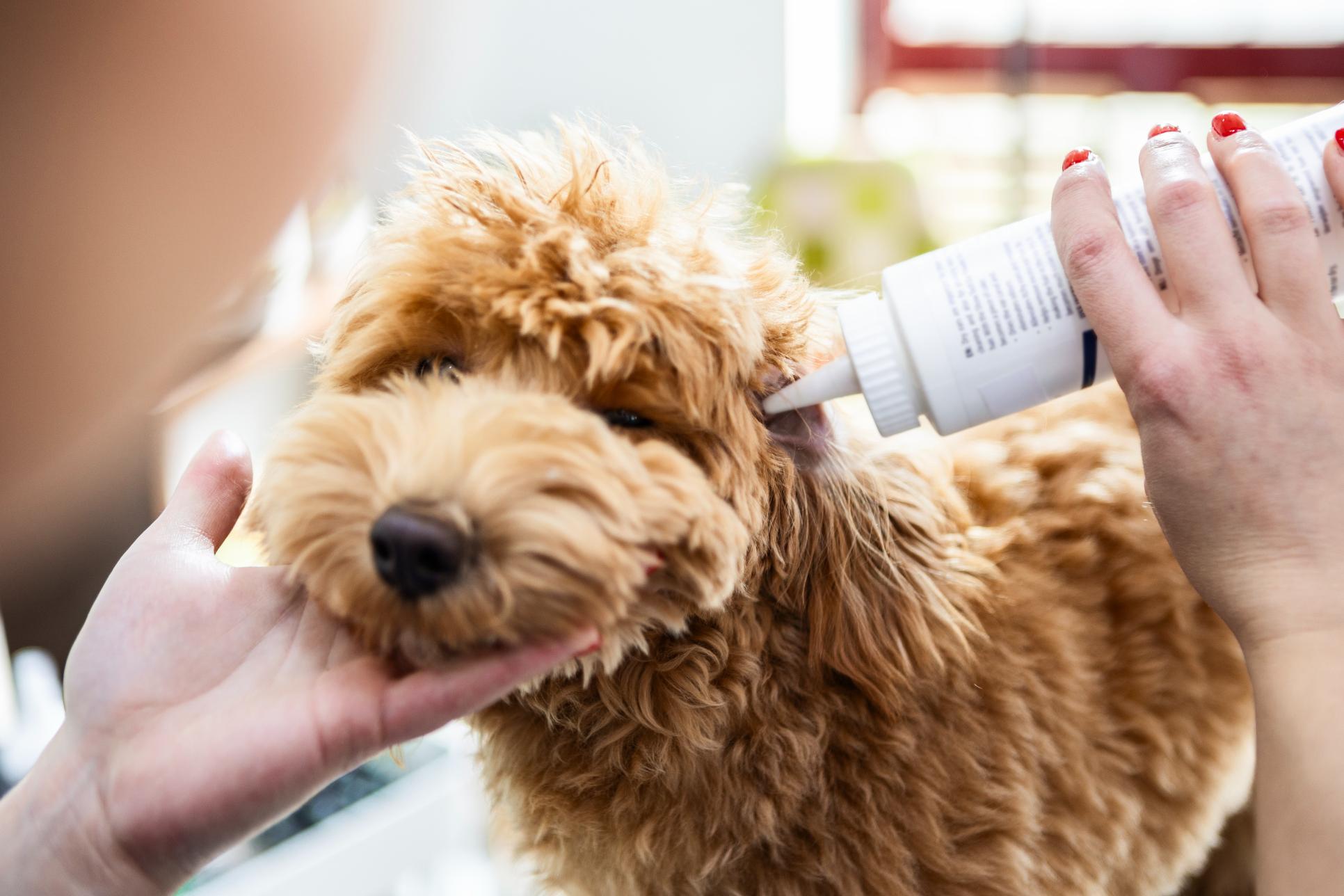
Fall brings crisp mornings, colorful leaves, and plenty of reasons to spend time outside with your canine companion. But for some dogs, autumn also brings an unwelcome seasonal tradition: itchy, irritated ears.
The combination of moisture, environmental allergies, and other seasonal changes can contribute to a dog ear infection in fall. Understanding what triggers these infections can help pet parents recognize problems early and take steps to keep their dogs’ ears healthy.
Dog Ear Infections: Why the Fall Flare-Up?
A dog’s ear canals are warm and naturally suited to trapping moisture, wax, and other debris, creating an ideal environment where yeast and bacteria can thrive.
Fall allergies—particularly ragweed and mold from decaying leaves—add another layer to the problem. And when allergy-related inflammation and moisture meet, it can lead to an ear yeast infection in dogs in Langhorne.
Signs of Ear Infection in Pets
Your dog can’t exactly say, “My ears are bothering me,” but their behavior may speak volumes.
Common signs of ear infection in pets include:
- Frequent head shaking
- Scratching at the ears
- Redness or swelling
- An unpleasant odor
- Dark, yellow, or unusual discharge
- Rubbing the ears against furniture or the floor
- Sensitivity when the ears are touched
Preventing Ear Problems in Pets
Not every ear infection can be prevented, particularly when allergies are involved, but regular ear care can reduce some risk.
Try these simple strategies:
- Keep your dog’s ears dry after bathing or swimming.
- Check the ears regularly for redness, odor, or discharge.
- Follow your veterinarian’s recommendations for ear cleaning.
- Maintain year-round veterinarian-recommended parasite prevention.
- Keep allergies under control if your dog is prone to seasonal flare-ups.
- Avoid putting cotton swabs or unapproved products deep into the ear canal.
What Happens if an Infection Develops?
Most ear infections do not clear up on their own. Your veterinarian can examine the ear canal and test a sample of the discharge to determine if an ear yeast infection in dogs in Langhorne or another type of bacterial infection is to blame.
Treating the underlying cause is particularly important for dogs with recurring infections. If allergies are contributing to inflammation, for example, treating only the immediate infection may not prevent the next flare-up.
When Should You Call the Veterinarian?
If your dog is repeatedly scratching, shaking their head, or showing other signs of discomfort, schedule an examination rather than waiting for the problem to worsen.
Prompt veterinary care can relieve discomfort and help prevent an infection from becoming more difficult to treat.
At Flowers Mill Veterinary Hospital, we want dogs to enjoy everything fall has to offer without spending the season scratching their ears. Please contact us if you see signs of a dog ear infection in fall or if it’s time for your pet’s checkup.