
 Menu
MenuHeart Month: Keeping Langhorne Pets Healthy

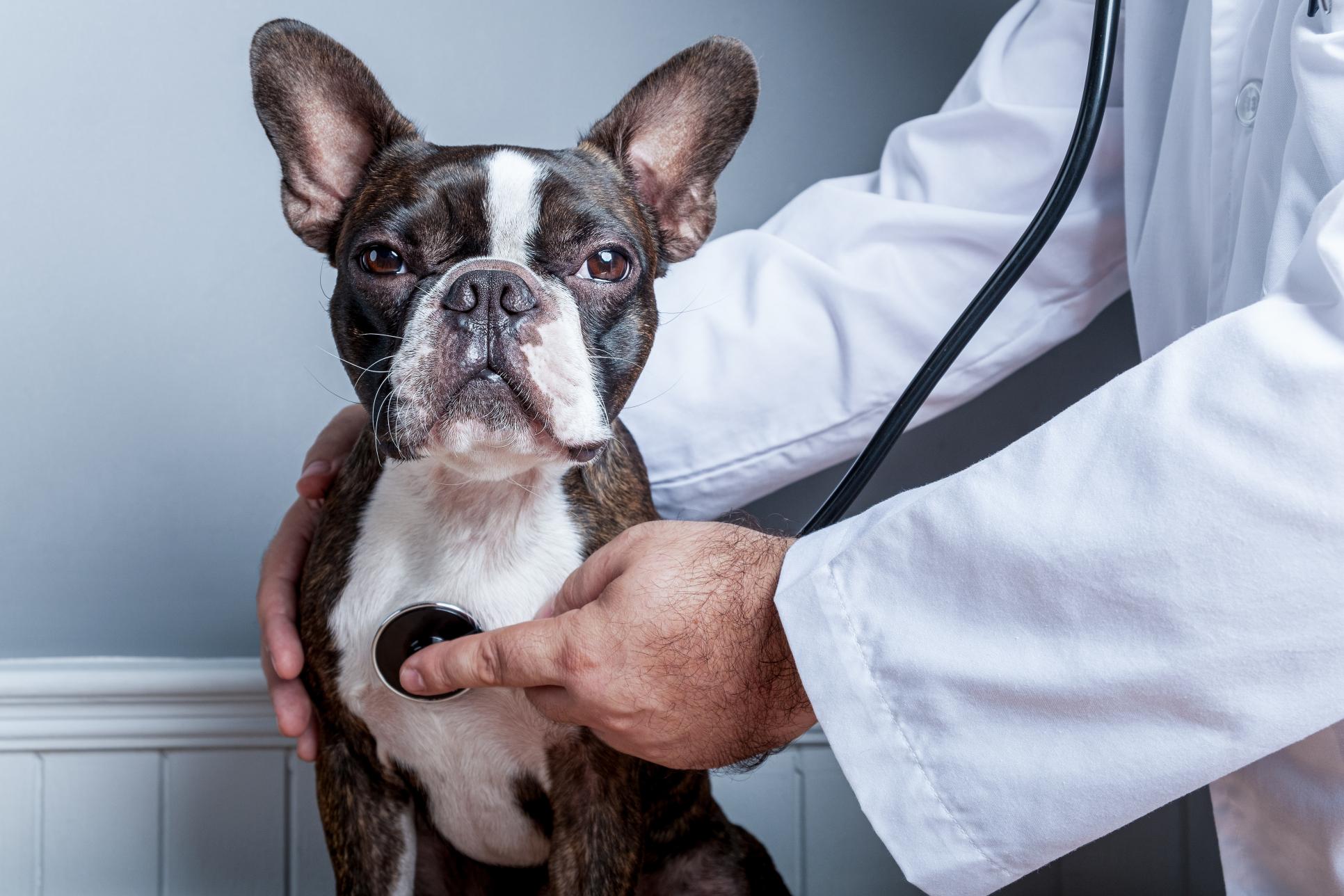
Did you know that February is Pet Heart Health Month and American Heart Month for humans? There’s no better time of year to learn more about the ways to keep your pets healthy, starting with heart health and working all the way out.
At Flowers Mill Veterinary Hospital, our primary goal is to support Langhorne pet care by both treating our pet patients and educating pet parents about the importance of pet heart health.
Why Heart Health Matters for Pets
Every single day, your pet’s heart works hard and without missing a beat—literally. The role of the heart is to pump oxygen- and nutrient-rich blood throughout the body. Heart disease can negatively affect this crucial process.
The symptoms of heart disease aren’t always clear and easy to see. But early detection is essential, because the sooner your veterinary team can start treatment, the better the chance of a positive outcome for your pet.
While pets of any age can develop heart disease, it’s especially prevalent in pets as they age.
Common Signs of Heart Disease in Dogs
In dogs, heart disease can look like:
- Coughing persistently throughout the day—but also, and especially, at night
- Unwillingness to play or go for a daily walk like usual
- Difficulty breathing or fast breathing, even at rest
- Fainting or collapsing
- Swollen belly due to a buildup of fluid
With regular checkups, chest X-rays, and heart screenings, your veterinary team can detect issues early. But by knowing these early warning signs, you play an important role in your dog’s heart care, too.
Common Signs of Heart Issues in Cats
Cat heart health can be harder to monitor because cats are experts at hiding signs of pain. But keep an eye out for:
- Fast or labored breathing
- Lessened interest in play, jumping, or chasing things
- Sudden weakness or paralysis in the hind leg, or legs
- Loss of interest in food
- Fainting or collapse
The number-one way to maintain your cat’s heart health is to make sure she gets annual screenings for common feline cardiac issues.
February Pet Wellness Tips for a Healthy Heart
To celebrate Heart Month this year, consider making these habits part of your everyday pet care rhythm:
- Keep an eye on your pet’s weight. Extra weight can put extra strain on your pet’s organs—including the heart.
- Regular wellness exams. Your veterinary team can conduct screenings and use other diagnostic tools to evaluate your pet’s heart health.
- Choose a heart-healthy diet. Avoid giving your pet rich, heavy treats and focus instead on a heart-healthy diet rich in Omega-3s and lean protein—and low in sodium.
- Stay active. Even a simple daily walk around the block (or on a new trail!) is better than no regular exercise at all.
Ready to schedule a pet heart health appointment this February? Reach out to the experienced team at Flowers Mill Veterinary Hospital at (215) 752-1010.