
 Menu
MenuPet First-Aid Basics Every Langhorne Pet Owner Should Know

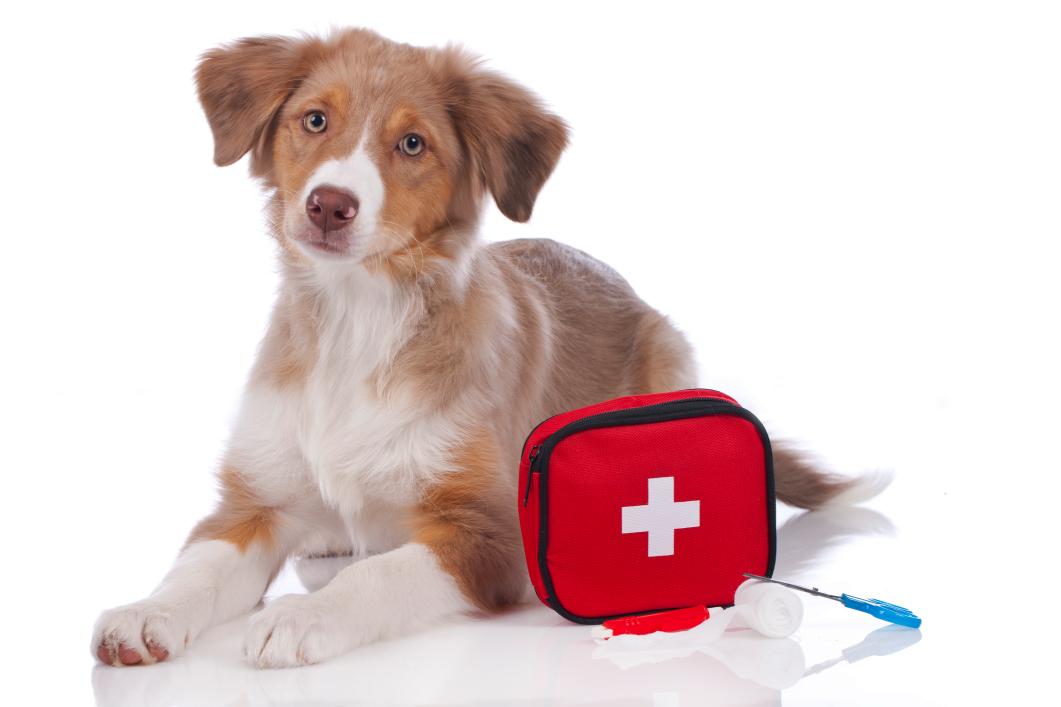
When your pet is part of the family, their safety is always top of mind. From curious puppies who chew first and ask questions later to senior cats who misjudge a leap, unexpected moments can happen in any home. Knowing a few simple pet first-aid tips can help pet owners stay calm, act quickly, and provide comfort until professional help is available. At Flowers Mill Veterinary Hospital, your trusted Langhorne veterinarian, we believe preparedness is one of the best forms of pet safety.
Start with a Simple Pet First-Aid Kit
Every home with pets should have a small, easy-to-grab first-aid kit that includes:
- Clean gauze
- Non-stick bandages
- Adhesive tape
- Tweezers
- A digital thermometer
- Saline solution
- Disposable gloves
Keep phone numbers for your veterinarian and the nearest emergency pet clinic written inside the kit, too. When stress levels rise, having those numbers at your fingertips can make all the difference.
Handling Minor Cuts and Scrapes
Clean superficial cuts with saline solution or clean water, and apply light pressure with gauze to stop any bleeding. Once the area is clean and dry, cover it loosely with a bandage to keep dirt out. If the wound is deep, continues to bleed, or shows signs of swelling or discharge, it’s time to contact your Langhorne veterinarian for professional care.
What to Do if Your Pet Is Choking
Choking can be frightening, but staying calm is essential. First, carefully check your pet’s mouth for a visible object you can safely remove. If your pet is small, you may be able to gently hold them upside down to help dislodge the item. For larger pets, quick pressure behind the ribcage can sometimes help. Even if the object comes out, follow up with your vet to ensure there’s no internal irritation or injury.
Recognizing Signs of an Emergency
Some situations call for immediate emergency pet care. These include:
- Difficulty breathing
- Uncontrolled bleeding
- Seizures, collapse
- Suspected poisoning
Sudden changes in behavior—such as extreme lethargy, confusion, or persistent vomiting—are also red flags. When in doubt, trust your instincts and reach out to Flowers Mill Veterinary Hospital or an emergency clinic right away.
Everyday Pet Safety Langhorne Tips
When it comes to pet first aid tips, prevention tops the list:
- Keep human medications, cleaning supplies, and toxic foods like chocolate and grapes out of reach.
- Be mindful of toxic plants inside and outside.
- Use leashes and secure fencing to prevent accidents outdoors.
- Provide plenty of mental and physical stimulation to reduce risky behavior born from boredom.
Your Partner in Pet Health
Pet first aid is about being prepared, not replacing professional care. The team at Flowers Mill Veterinary Hospital is always here to guide you through the next step. If you’d like help building a personalized pet first-aid kit or have questions about emergency pet care, don’t hesitate to contact us at (215) 752-1010.